
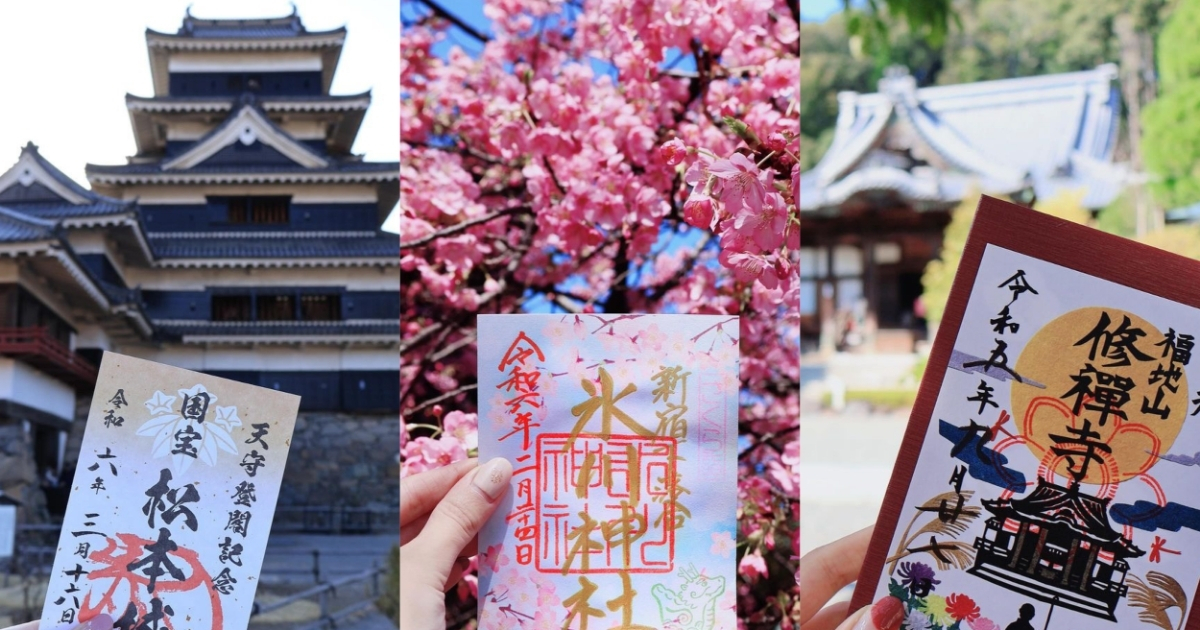
Collecting goshuin can change your trips in Japan from simple sightseeing into a very personal journey. For shrine lovers, these beautiful temple stamps are not only special souvenirs but also a record of spiritual travel. This guide explains the interesting world of goshuin, giving helpful details on how to start your collection and why each temple stamp is a beautiful part of Japanese culture.
What is a Goshuin?
The word “Goshuin meaning” refers to beautifully inked stamps that people collect at Japanese shrines and temples, often kept in a goshuin-chō or goshuincho. This goshuin book, also called a goshuin stamp book, or goshuincho book, is used to preserve each goshuin stamp received at a goshuin temple during visits. These stamps are not only memories of spiritual visits but also beautiful art pieces. Each goshuin usually has detailed calligraphy, often hand painted by temple workers, along with the symbol of the temple or shrine.
Why Collect Goshuin?
Collecting goshuin is not only about gathering ink stamps, it is a way to feel the spiritual heart of Japan through every goshuin stamp you receive in your goshuincho or goshuin stamp book. Each goshuin becomes a special memory from the temples and shrines you visit, holding sacred moments that feel meaningful to the soul. When you collect these beautifully made temple stamps, often recorded in a goshuincho stamp book, you are not only documenting your journey but also connecting your experiences with Japan’s rich culture through each goshuin temple visit.
How to Get a Goshuin: Step-by-Step Guide
To get a goshuin successfully, you should first understand the temple manners connected to this old tradition. When you arrive at a shrine or temple, take a moment to notice the atmosphere and respectful behavior around you. Always start by bowing at the entrance, and while it is important to stay respectful and quiet, you can still politely ask the staff if you have questions. Then go to the special place for goshuin requests, either at a certain counter or a chosen altar.
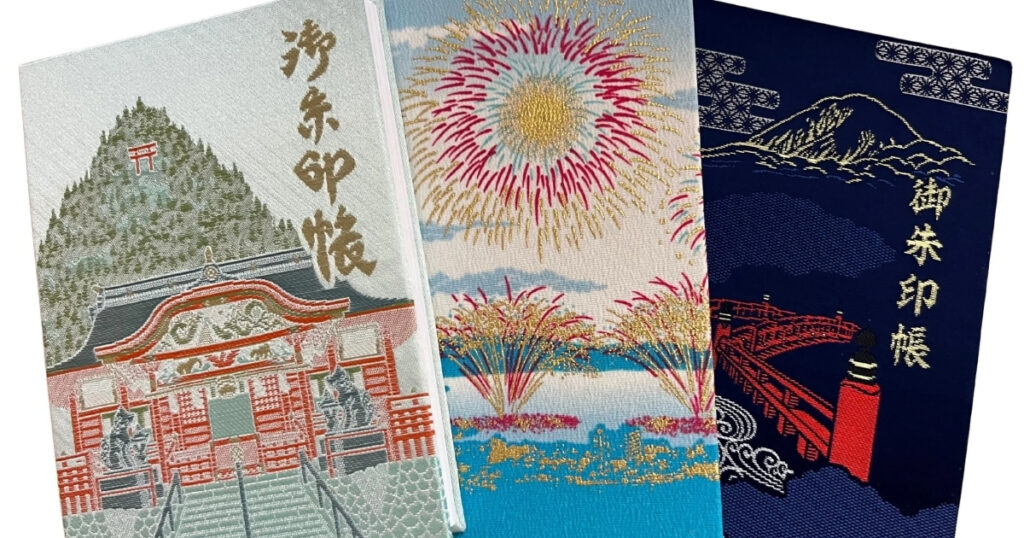
1. Get a goshuincho book.
A goshuincho book is not only a travel item, it is also a special place for your spiritual journey across Japan. When you buy a goshuincho, you are getting a beautifully designed Japanese stamp book that helps you collect unique stamps and writings from shrines and temples, with each one showing a special moment in time.
2. Visit a Temple or Shrine
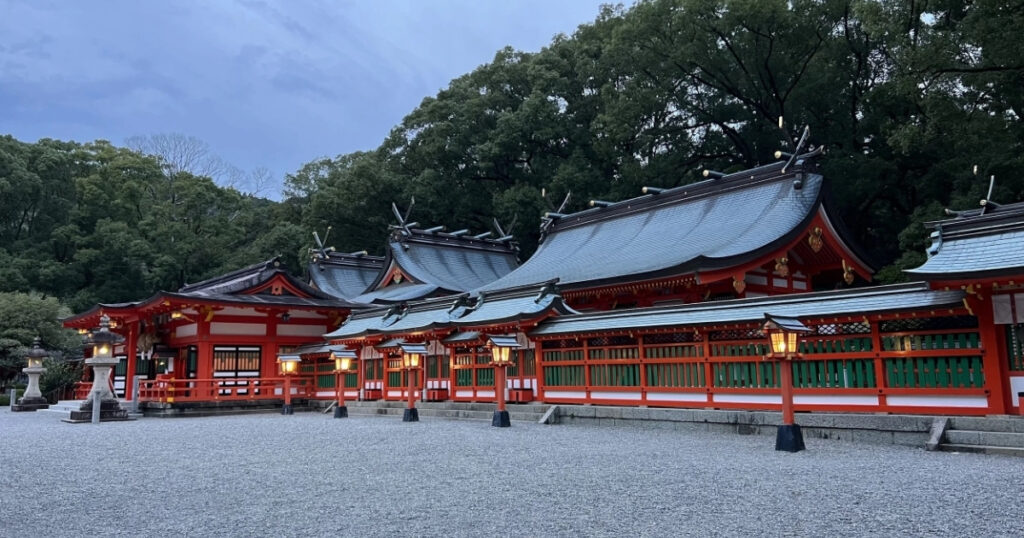
Visiting Japanese temples and shrines gives not only a view of the peaceful beauty of national heritage, but also a journey into the spiritual heart of Japan. One such special place is Kumano Hayatama Taisha shrine in Wakayama. This holy site is famous not only for its beautiful building design but also for the rich history built into its foundation.
3. Respectfully Request a Goshuin
When visiting a Japanese shrine, the details of goshuin manners can make the experience more meaningful. As you approach the shrine, it is important to make your request in a polite and respectful way, often saying “goshuin o onegaishimasu.” This shows your respect for the tradition and helps create a meaningful interaction with the shrine staff.
4. Observe and Enjoy the Process
As you begin collecting goshuin, focus on the writing process instead of only the final stamp. Each brush stroke is a quiet act of awareness, capturing the feeling of that exact moment inside the temple or shrine. The smooth movement of the calligraphy, with its graceful shapes and careful strokes, brings a calm and thoughtful state of mind, turning a simple activity into a special ritual rooted in Japanese tradition.
5. Say Thank You
Expressing gratitude in Japan is more than just using words; it is a practice deeply connected with culture and social manners. The phrase “arigatou gozaimasu” means more than simply “thank you”; it shows respect and appreciation for the effort someone has made, even for small actions. This feeling of thankfulness is especially seen at shrines and temples, where visitors often combine spiritual respect with expressions of gratitude.
Tips for Collecting Goshuin
When starting goshuin collecting, first learn the manners for temple visits. It is important to approach each shrine with respect, often bowing before entering. Knowing the cultural details can improve your experience and make your stamps feel more authentic. Before trying to collect seasonal goshuin, research which temples have special yearly designs. These often show local festivals and traditions, turning your collection into more than stamps, but a story of your travel through Japan.
More Recommendations Based of My Personal Experience
When starting goshuin collecting, first learn the manners for temple visits. It is important to approach each shrine with respect, often bowing before entering. Knowing the cultural details can improve your experience and make your stamps feel more authentic. Before trying to collect seasonal goshuin, research which temples have special yearly designs. These often show local festivals and traditions, turning your collection into more than stamps, but a story of your travel through Japan.
ReadMore:Discover Takaya Shrine
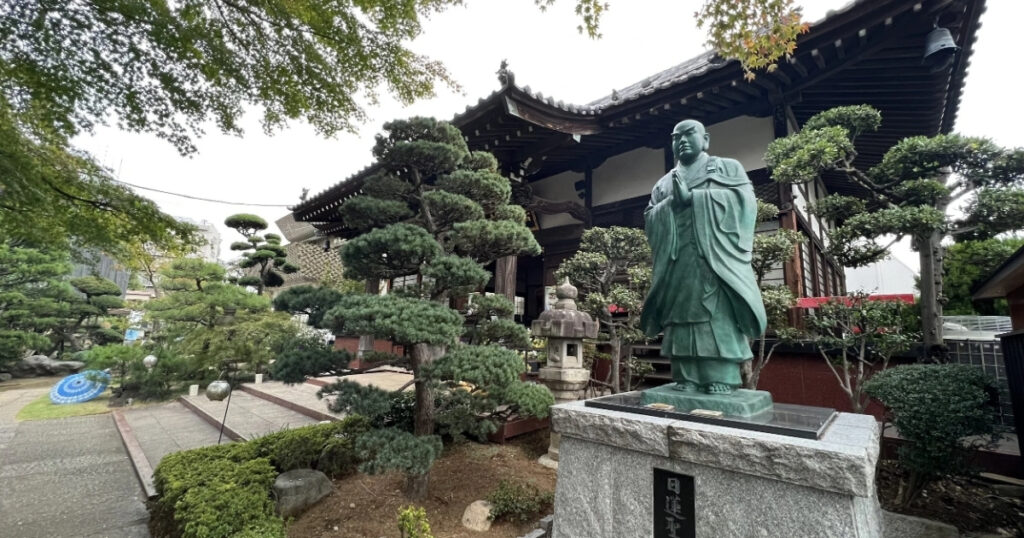
My Favorite Temple for Goshuin in Tokyo: Horin-ji
Horin-ji Temple, located in the busy center of Tokyo, gives a peaceful place for people looking for a special goshuin experience. When you arrive at its calm grounds, you are welcomed by the colorful hanachozu, a beautiful flower-filled water basin that creates a natural and peaceful feeling for the visit. Here, each season changes the atmosphere in a different way, making every visit unique and meaningful, from cherry blossoms in spring to autumn leaves in fall.
Going Further: Add Special Goshuin Collections to Your Japan Bucket List
For those wanting to enrich their Japan bucket list, adding special goshuin collections makes cultural travel even more meaningful. These beautifully inked stamps are more than just souvenirs; they capture the spirit of Japan’s pilgrimage routes and provide a real connection to the spiritual and historical stories found within Japanese shrines.
Receiving a Small Reward after Collecting the Four Goshuin of Suwa Taisha Shrine
After completing the spiritual journey of collecting the four goshuin at Suwa Taisha Shrine, pilgrims often feel a strong sense of achievement and a deeper connection to Japan’s rich cultural traditions. Each beautifully written seal is not only a physical reward but also carries a deeper meaning, reflecting the traditions that shape this sacred place.
Collecting Goshuins of the Shikoku 88 Temple Pilgrimage
Collecting goshuin from the Shikoku 88 Temple Pilgrimage changes a physical journey into a deeply personal spiritual experience. Each temple visit gives a beautifully made stamp that carries the spirit of that exact place, along with calligraphy that shares stories of devotion and history.
Other Ideas for Your Goshuin Collection
Expanding your goshuin collection can help you gain a deeper appreciation of Japan’s rich cultural heritage. You can follow the Seven Lucky Gods Pilgrimage, which takes you through different temples and shrines dedicated to these well-loved deities. Collecting goshuin from each place not only marks your journey but also captures the unique artistic style of each site.
Conclusion
Goshuin, often referenced in Goshuin wiki sources, and collected in a Goshuincho (Goshuin notebook), are goshuin stamps that offer a unique and meaningful way to record your experiences at temples and shrines across Japan. These goshuin stamps are beautifully designed stamps that not only act as a physical reminder of your journeys but also increase your appreciation of the country’s rich spiritual culture. Whether you are an experienced traveler or visiting for the first time, collecting goshuin can turn your exploration into a treasured memory. As you begin your next trip, remember to look for these beautiful goshuin stamps and keepsakes that tell the story of your pilgrimage.
FAQs
Are goshuin only in Japan?
Goshuin, or temple stamps, are mainly linked with Japan, where people traditionally collect them as a form of spiritual record. Each goshuin has a unique design and calligraphy that represents a specific shrine or temple, and they often mark a pilgrimage or an important visit.
What is the etiquette for goshuin?
Goshuin, the traditional stamps collected at Shinto shrines and Buddhist temples in Japan, are not just souvenirs, they carry cultural and spiritual meaning. When visiting a shrine or temple to collect a goshuin, it is important to approach the experience with respect and mindfulness.
What does a goshuin mean?
Goshuin, or temple and shrine seals, are mainly a Japanese tradition that comes from Buddhist and Shinto practices. These beautiful stamps, often paired with special calligraphy, act as a record of a person’s visit to a temple or shrine.