
Comuna 13 was once known as the most dangerous neighborhood in Colombia, but it has changed into a lively place famous for its beautiful street art. This big change in Medellín shows the strength of the local people and also tells the larger story of the city’s growth and improvement. This article explains the Comuna 13 history, its move from violence to color and life, and why it is now one of the top Medellín tourist attractions.
Let’s take a quick look at Comuna 13’s past and its amazing comeback, so you can enjoy your visit even more ✨
Where is Comuna 13?
Located in the lively city of Medellín, Comuna 13 is a clear example of strength and change. This Medellin hillside neighborhood, once known for violence and crime, has changed into a busy place full of culture and creativity.

Comuna 13 History – A Troubled Past
How Comuna 13 was created
Located in the steep, rolling hills of the Medellin valley, Comuna 13 has a story made from history, conflict, and strength. The beginnings of this lively community come from the Colombian civil war, which caused many people to leave their homes as violence from the countryside reached the city.
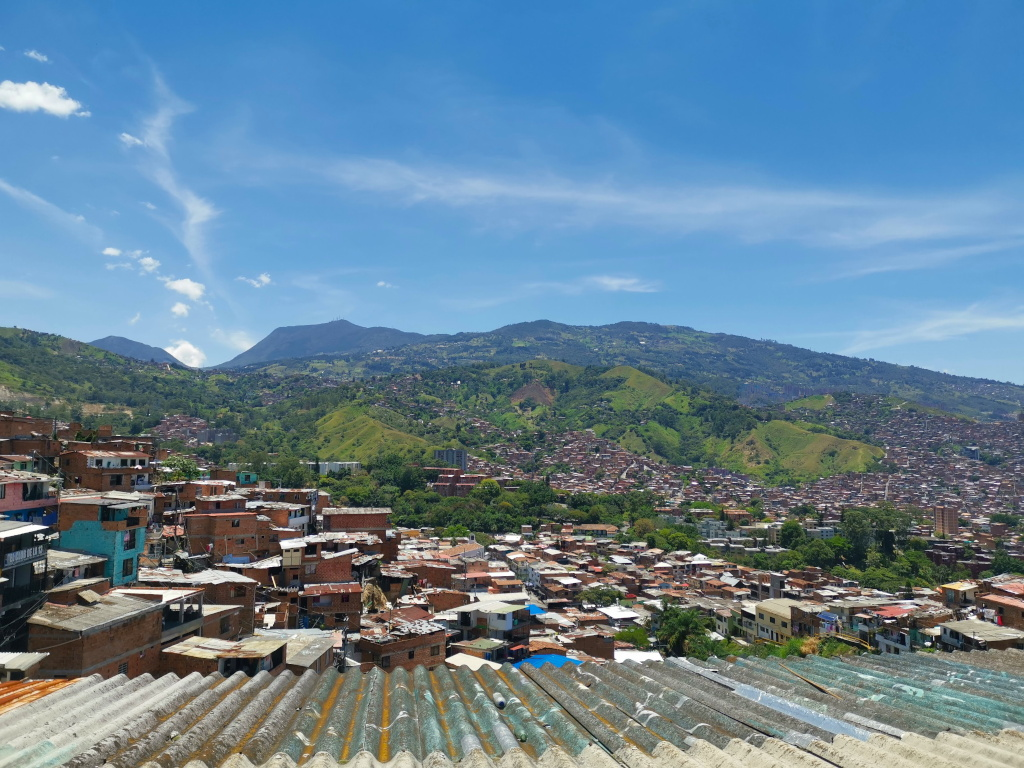
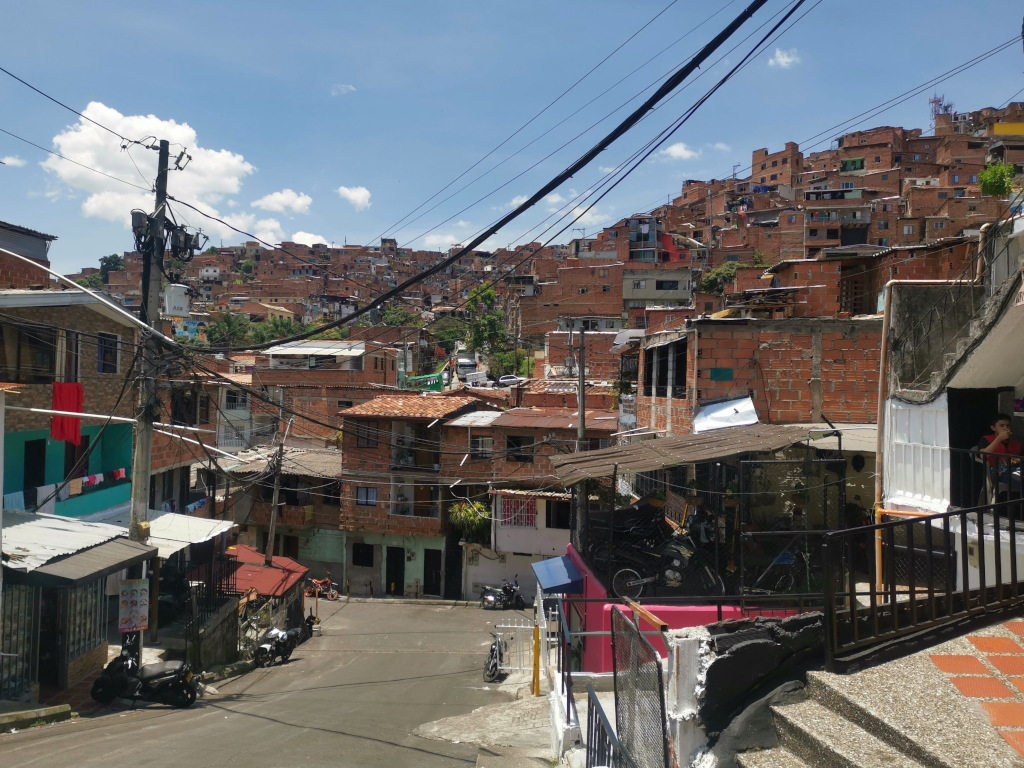
Families ran from the danger and settled in Medellin’s hillside areas, creating illegal settlements that faced hard challenges from the start. These neighborhoods struggled with poor infrastructure, including limited access to water, sanitation, and transportation.
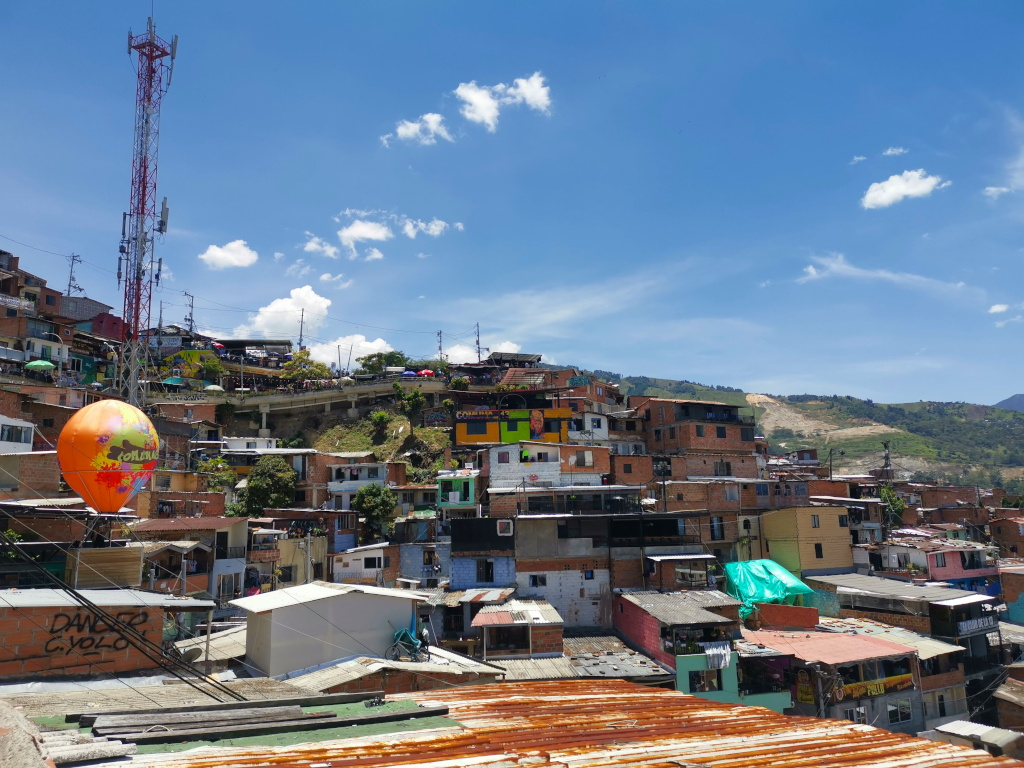
Violence due to Para Military Groups and Youth Gangs
In the center of Colombia, Comuna 13 is an important symbol of the connected history of the Colombian civil war and the growth of para military groups and youth gangs. Once known for its violent past, the neighborhood has changed from a place of fighting between armed groups to a community working for change, though some traces of conflict remain. Para military groups increased violence in Medellin neighborhoods and pushed young people into joining gangs, creating a sad mix of power and hardship.

The past violence in Comuna 13 tells a clear story of how paramilitary groups and youth gangs affected the community. The well known AUC (Autodefensas Unidas de Colombia) once held great power, creating a harsh rule that harmed the local people.
Drug Trafficking and Comuna 13
Comuna 13, once full of violence during the 1980s Medellín drug wars, clearly shows the effects of the Medellín Cartel and its famous leader, Pablo Escobar. This neighborhood, with a history of drug trafficking and gang fights, shows the complicated social and political problems that came from the power struggles of that time. The violent past caused by Escobar not only hurt the community but also created a place where crime could grow because of poverty and hardship.
Operation Orion
Operation Orion, an important military intervention in Comuna 13, Medellín, is a strong example of the challenges of urban fighting and its effects on civilians. Started in 2002, the operation aimed to break up powerful armed groups in the neighborhood, but it also caused serious violence that affected many residents.
Life after Operation Orion
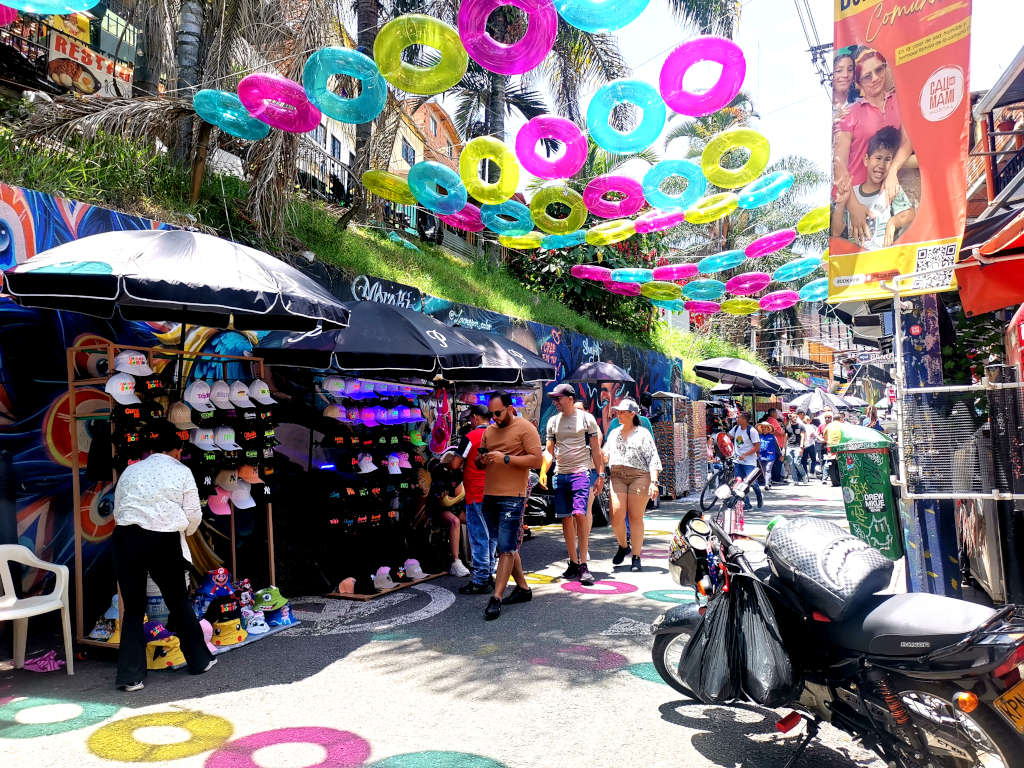
Life after Operation Orion brought big changes for Comuna 13, a neighborhood once controlled by gangs and marked by community violence. The results of this military action gave residents a new sense of hope and strength. Instead of only being known for its difficult past, Comuna 13 Medellin history started to focus on urban change, with local artists and community leaders leading projects to improve and revive the area.
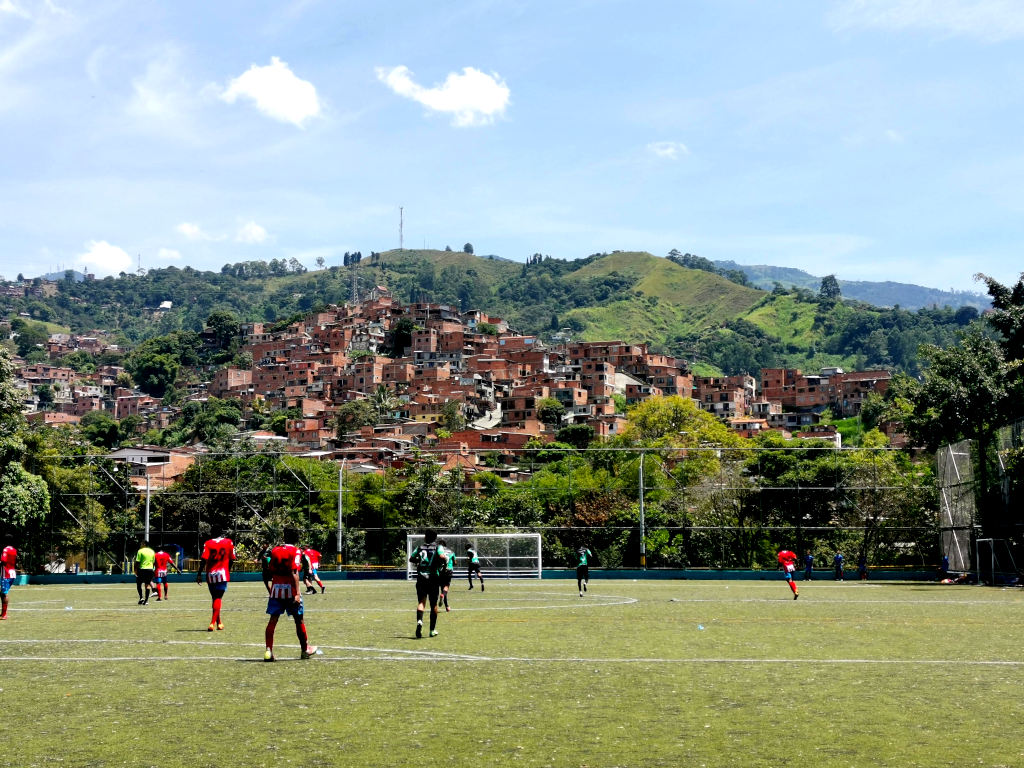
This amazing transformation shows that no matter how tough things get, communities can always turn things around 💛
Comuna 13 Tours
Visiting Comuna 13 in Colombia gives a strong view of the strength and creativity of its people. Once known for violence, this lively neighborhood has changed greatly, showing the power of hope and working together. Comuna 13 tours led by Medellin local guides give visitors both the history and personal stories that bring the colorful murals and busy streets to life.
We chose Zippy Tours because of their great reviews and local guides. Our guide was fantastic and shared many personal stories.
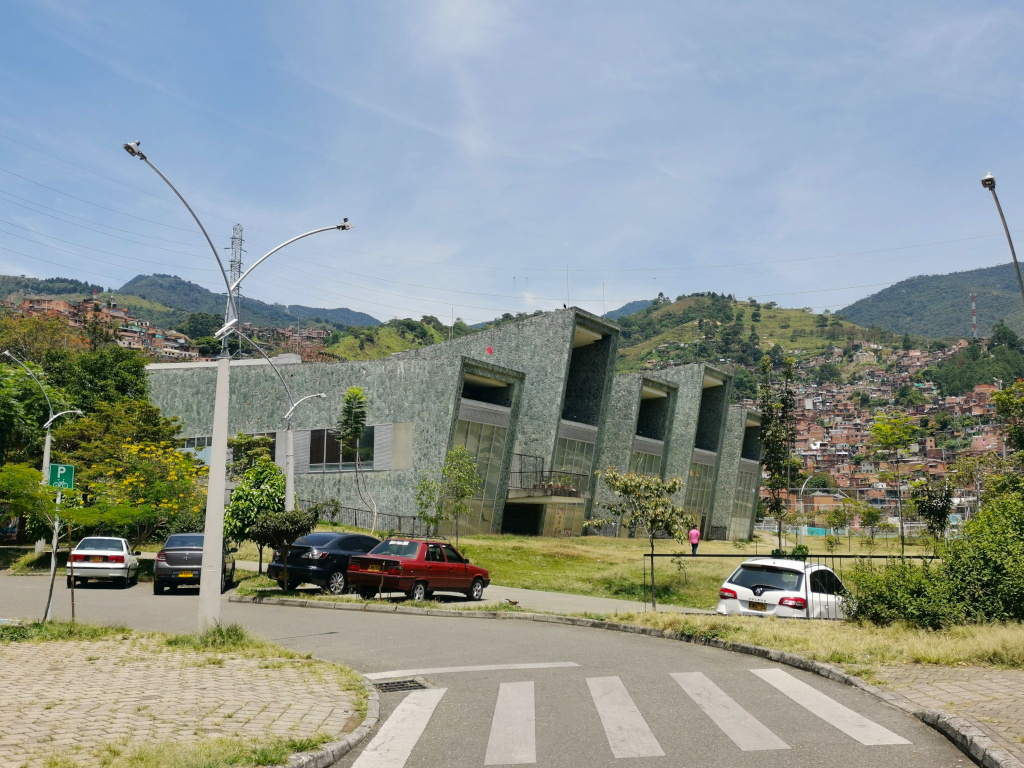
This was just one of many great stories she shared, so I highly recommend Zippy Tours. You can find her and other local guides on their website ✨
What to expect on the tour
Going on the Comuna 13 walking tour is an exciting trip through one of Medellín’s most lively neighborhoods, full of history and strength. Starting at the San Javier metro station, visitors have easy transport that connects them smoothly to this center of culture.
Tour details:
➡️ Duration: 3 hours
➡️ Free, tip-based (5-10 USD recommended)
➡️ Local English-speaking guide
➡️ 5 neighborhoods from Comuna 13
➡️ Art expressions (street art, break dance, galleries)
➡️ Outdoor escalators
➡️ Viewpoints, best views
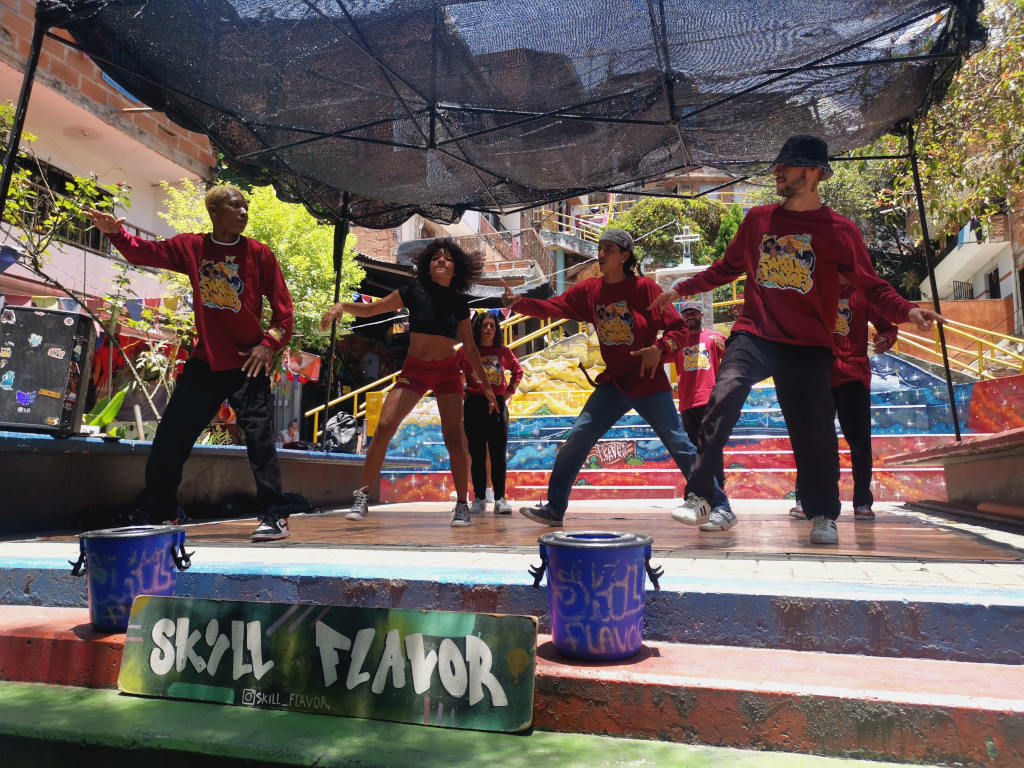
Zippy Tours is a free walking tour, so you pay what you think it’s worth by tipping the guide at the end 💰 Recommended: 20,000–50,000 COP (5–10 USD) per person.
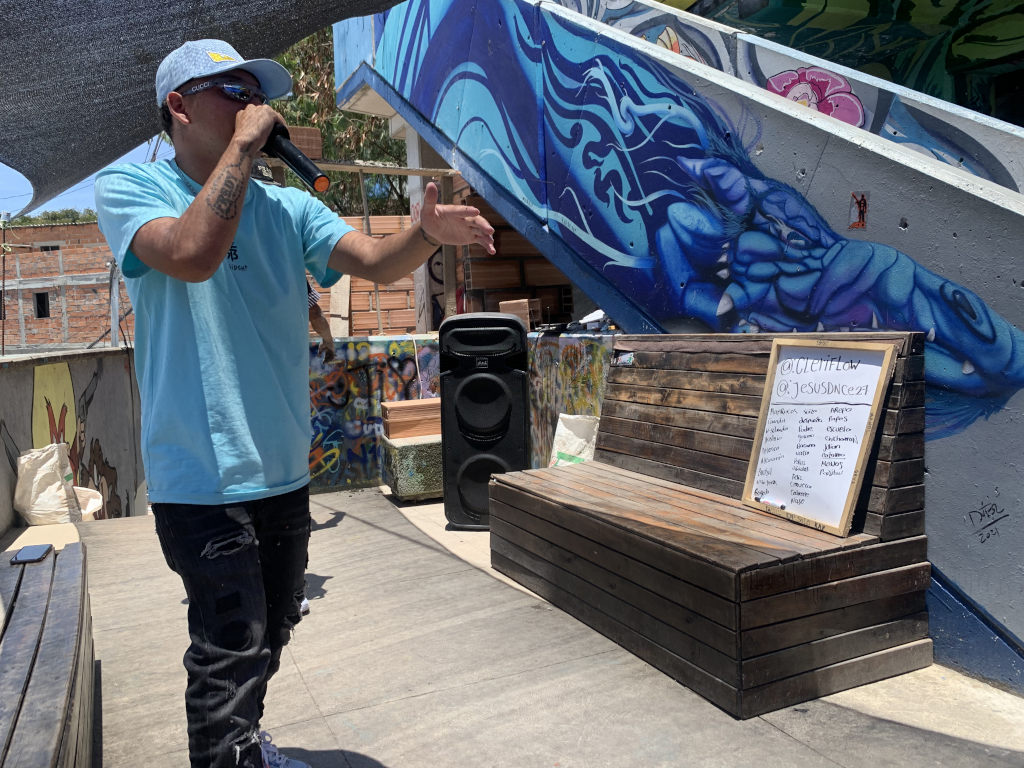
Communa 13 Graffiti Tours
The Comuna 13 graffiti tour gives a deep look into Medellín’s street art scene, turning this neighborhood, once full of violence, into an open-air museum showing strength and creativity. Each wall tells a story, with amazing murals covering themes like social justice and personal experiences, made by local artists who gave their hearts to the community’s renewal.
➡️ You can book a Comuna 13 graffiti tour here. For $20, a local guide will show you the best graffiti and explain its meaning.


Visiting Comuna 13 by yourself
Visiting Comuna 13 on your own gives a deep way to connect with the heart of Medellín. Stepping off the San Javier metro, visitors enter a lively world of street art and music full of strength and creativity. Walking through the graffiti covered alleys, you can feel the community’s stories and struggles, with each mural showing the journey from violence to life and color.
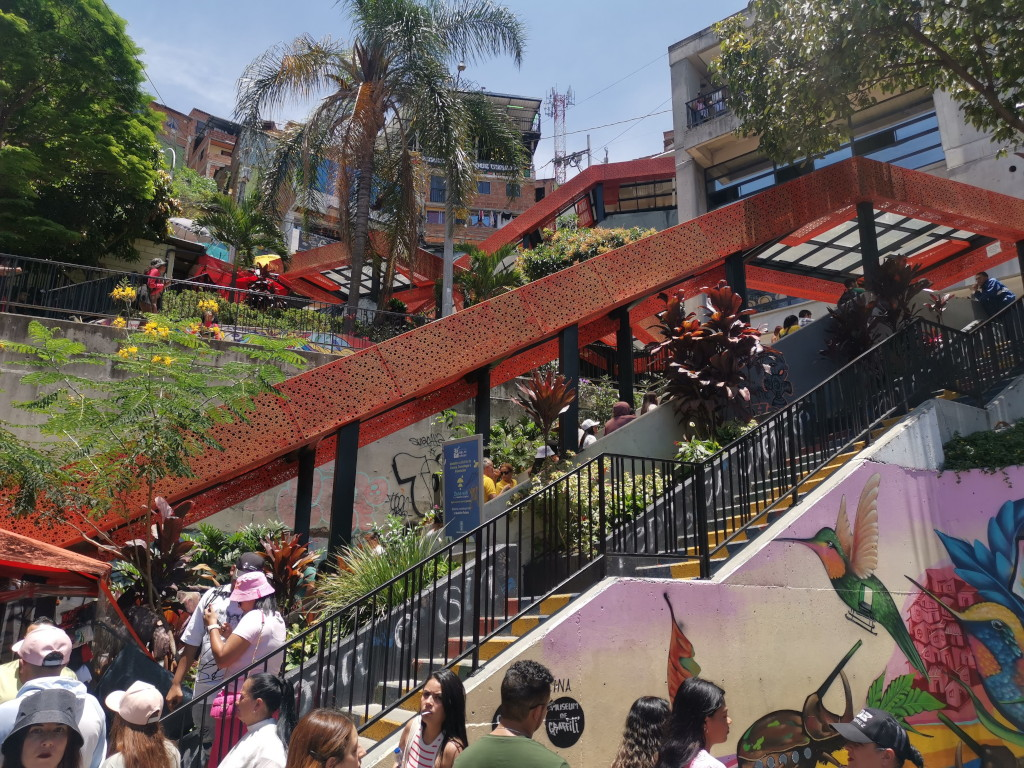
➡️ If you visit Comuna 13 on your own, look for the orange escalators going up the hill, this is the heart of the tourist area to explore.
Now you know all about Comuna 13’s History – enjoy your visit!
Exploring Comuna 13 is more than seeing its colorful street art; it is a trip through the strength and change of Medellín’s neighborhoods. The history of Comuna 13 comes alive while walking its busy streets, where murals share stories of struggle and hope.
Final Thoughts
The change of Comuna 13 from a well-known place of violence to a lively center of culture and creativity shows the strength of its community. Through creative art initiatives and local efforts, residents have taken back their neighborhood, building pride and unity. The beautiful murals on the walls tell stories of struggle and also celebrate hope and renewal. This journey shows how art can drive social change and healing.
FAQS
Was Narcos filmed in Comuna 13?
No, most of Narcos was filmed in other parts of Medellín, not Comuna 13.
Is Comuna 13 safe now?
Yes, today Comuna 13 is much safer. With community projects and tourism, it’s now a popular spot for visitors.
Is Comuna 13 a favela?
Not exactly. Comuna 13 is a hillside neighborhood with informal housing, similar to a favela, but it has its own unique history and community.
What impact has tourism had on Comuna 13?
Tourism has brought economic opportunities, cultural recognition, and pride to the community, while also helping fund local projects and art initiatives.