
Leatherback turtles Grenada can weigh up to 2,000 pounds and dive deeper than any other turtle species. In Grenada, these amazing animals come to Levera Beach to nest, giving you a rare chance to see their incredible life cycle.
Many visitors join a leatherback turtle tour in Grenada to watch this moment. As an endangered species, Leatherbacks are very important to the ocean environment, and learning about their behavior is important for protection efforts.
Seeing leatherback turtles nesting in Grenada is a truly memorable experience as we explore the beautiful wildlife in Grenada and discover turtles in their natural home.
What to wear
When you plan a night visit to Levera Beach in Grenada to watch turtles, you should wear clothes that feel easy and useful. The beach at night is warm and a little wet, so wear light and airy clothes that help you move easily. You can wear long, loose pants to keep your legs safe from sand and small bugs, and a light shirt that keeps you dry. It is also important to respect nature, so wearing simple and covered clothes can help not disturb the sea turtles.
Where can I see turtles in Grenada?
Grenada offers great places for turtle watching, especially for those who want to see Leatherback Turtles. These ancient travelers can be seen during nesting season from March to August at Levera Beach and the quiet coasts near the northeastern tip of the island, where they come onto the beach to lay their eggs.
The clear waters of Grenada are also home to colorful marine life, including young Green and Hawksbill Turtles, and snorkeling or diving at spots like Moliniere Marine Protected Area lets you swim with them in their natural home. You will need to take a tour to Levera Beach in northern Grenada to see them.
| Check out: These are the 7 best beaches in Grenada. 🏖️ |

🗺️ Save this place on your map
| Top 3 hotels in St George > Explore all hotels > |
Bougainvillea Apartments ⭐⭐⭐⭐⭐ Rating 8 True Blue Bay Resort ⭐⭐⭐⭐ Rating 8 La Heliconia & Day Spa ⭐⭐⭐ Rating 7 |
Where and when do turtles lay their eggs in Grenada?
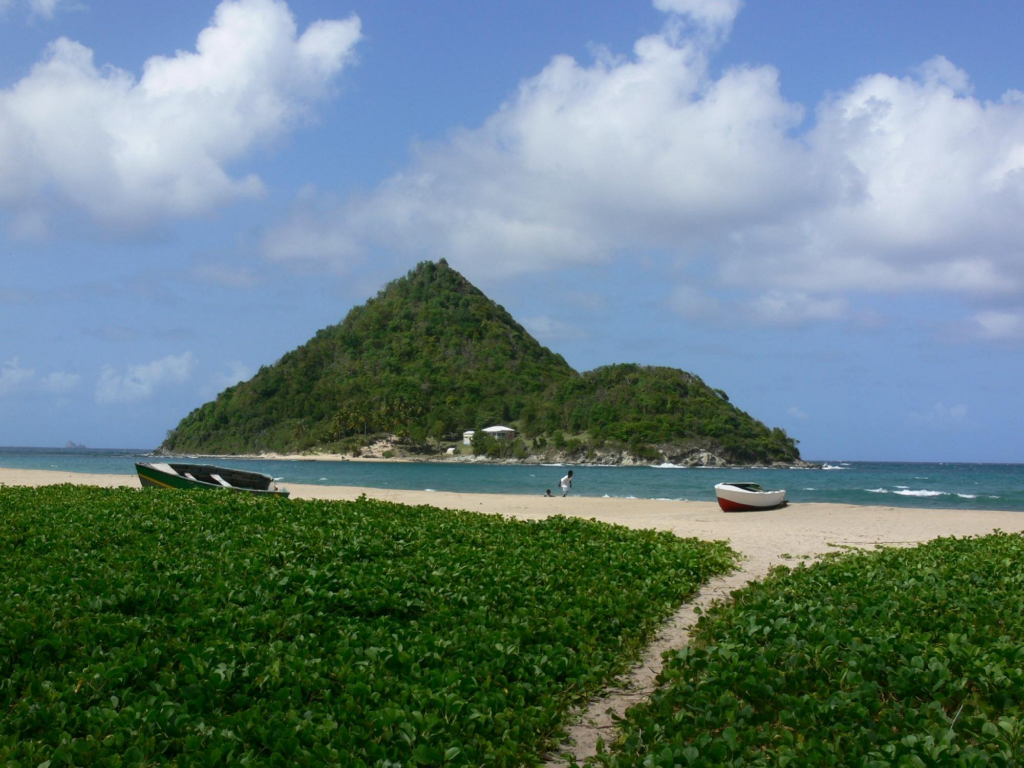
In Grenada, the beautiful Leatherback Turtles live along the sandy beaches, especially at Levera Beach inside Levera National Park. This clean stretch of coastline is one of the island’s most important leatherback turtle nesting areas.
Each year, usually between March and August, these large turtles make an amazing journey, coming back to the same beaches where they were born to lay their eggs. The nesting process is a natural event, as the females slowly dig nests in the warm sand, helping keep the marine ecosystem in balance.

Levera Beach, a top spot in Grenada where Leatherback turtles lay their eggs.
Leatherback Turtles Nesting Season in Grenada
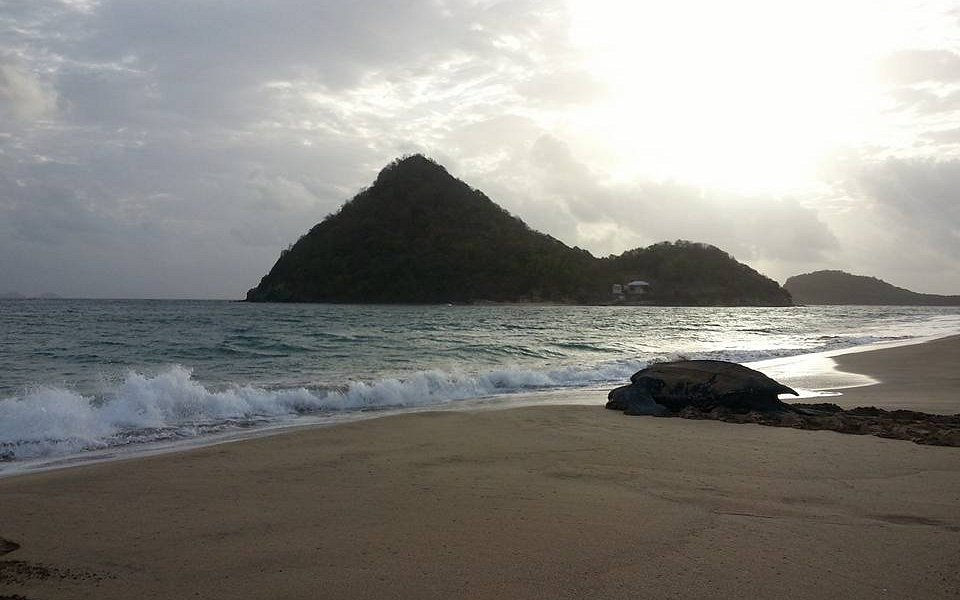
As the sun sets, Levera Beach becomes a safe place for leatherback turtles starting their famous nesting journey. These large turtles, weighing up to 2,000 pounds, return to the sands where they were born, showing their amazing ability to find their way.
This event attracts nature lovers and wildlife watchers who want to see female turtles dig nests to lay their eggs. Joining turtle tours in Grenada gives a close look at this process and shows how people work to protect the nesting areas that are important for the turtles’ survival.
Local communities help guard these sites every season, and by supporting eco-friendly projects, visitors can help give leatherback turtles a better future while learning about the balance of life in the ocean.
| Check out: 20 unique things to do in Grenada |
Why are they called Leatherback Turtles?
The name “Leatherback Turtles” may bring to mind images of strong, hard armor, but these amazing animals have a special kind of protection. Unlike other turtles, the leatherback turtle’s shell is not hard and scaly but made of a soft, rubber like material.
This special shell helps them control their body temperature better, making them one of the few turtles that can live in colder waters. In places like Grenada, seeing these deep-diving turtles reminds us of the amazing things hidden under the sea, where they can dive more than 4,000 feet to find jellyfish, their main food.
Fascinating Leatherback Turtle Facts
- Leatherback turtles have been around for 100 million years.
- About 34,000–36,000 nesting females exist.
- They live in oceans from Southern Africa to Northern Alaska and the Caribbean.
- They are the biggest sea turtles, weighing around 384 kg (846 lbs).
- The largest recorded was 10 ft long and 916 kg (2019 lbs).
- Front flippers can reach 9 ft.
- They can swim up to 35 km/h (21 mph).
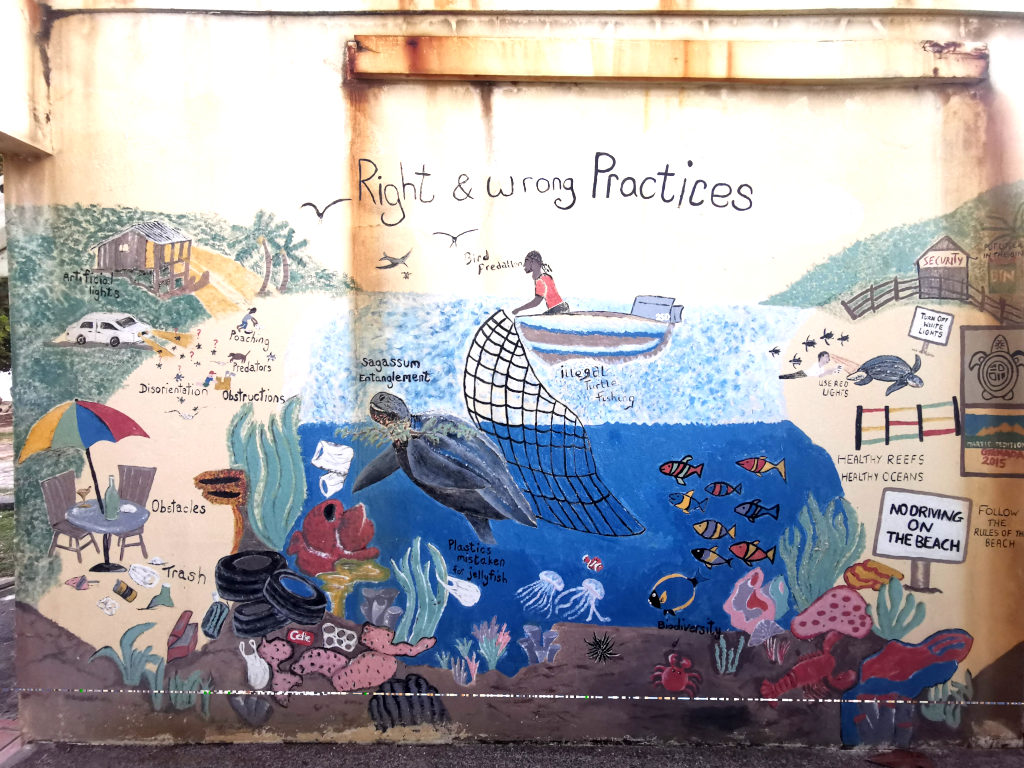
- They mainly eat jellyfish and can mistake plastic bags for food.
Leatherback Turtles Tours Grenada
Picture yourself moving smoothly across Grenada’s moonlit waters, where impressive leatherback turtles come ashore for their nightly nesting experience. Booking a turtle tour in Grenada with SPECTO lets us watch this amazing natural event while learning about important turtle conservation efforts. As these ancient sea creatures slowly move onto the sandy beaches of Grenada, the moment becomes more than just a sight; it becomes a deep and meaningful nature experience
To book your unforgettable Leatherback Turtle tour in Grenada, it is important to plan early because spots fill quickly during the turtle nesting season from April to July. The tour costs only 80 EC (30 USD) per person, making it a budget-friendly wildlife experience. Be sure to secure your place at least two days in advance by contacting SPECTO Grenada directly by email or phone.
What to Expect on your Leatherback Turtle Tour
As you begin your Levera Bathway Information Center, expect a rich experience that goes beyond simple watching. At the Levera Bathway Information Center, your journey starts with a short 10-minute briefing that prepares you for the natural wonder ahead. Here, experienced guides share interesting facts about the important role leatherback turtles play in marine ecosystems, helping us better understand and value these ancient sea creatures.
Important things to know
When planning a relaxing outdoor visit, it is important to understand the rules of your chosen nature destination. For example, even if the area has picnic benches, remember that only red lights are allowed while moving around. This rule may limit free movement and encourage you to stay near your spot. Instead of seeing this as a problem, treat it as a chance to fully enjoy the natural surroundings and quietly take in the scenic environment.
Our Experience on the Leatherback Turtle Tour
Arriving early for the Leatherback Turtle Tour in Grenada, we felt strong excitement mixed with a little nervousness. The fresh night air welcomed us as we started a 20-minute walk along the moonlit beach, our feet sinking into the cool sand while the calm ocean sounds created a peaceful mood. Every small wave seemed to promise something special ahead, making the turtle nesting experience even more exciting.

| Curious about St. George? Find amazing deals right here! |
 Find your dream hotel Find your dream hotelStay in St. George, Grenada, and enjoy stunning views of tropical landscapes. Booking.com offers hotels that let you relax after a day of exploring the island Check Availability! |  Plan your entertainment Plan your entertainmentExperience the enchanting beauty of St. George, Grenada, with exciting tours. Discover vibrant markets and historic forts, and snorkel in crystal-clear waters with Viator. See prices |  Rent a car Rent a carUnlock the magic of St George, Grenada, with Discover Cars. Rent a vehicle and uncover hidden beaches and lush rainforests at your own pace! See prices |
Getting up close to the Leatherback Turtle
Meeting a leatherback turtle can feel like entering a real-life dream as we watch these gentle giants move smoothly through the water. With their impressive size, reaching up to 1.8 meters, these turtles naturally catch our attention. When we are allowed to get closer, the beauty of their leathery shell becomes clear, shining in the sunlight as we swim beside them. This rare ocean experience creates a calm, almost dream-like feeling, pulling us into the mysteries of the sea, where every movement feels meaningful.
The Nesting Process
The nesting process is a complex and often long journey for many species, showing a strong instinct to make a safe place for new life. In the wild, animals show amazing behaviors, like digging a hole and carefully choosing the best spot to lay their eggs. This act is more than just physical work; it’s emotional too, as the animal looks for a safe place away from predators and changes in the environment. The effort in this long process shows nature’s drive for survival.


How Long Will the Tour Take
As you prepare for your adventure, many tours promise an amazing experience, though the timing can change depending on the itinerary. Typically, the journey begins around 9:30 PM, when the atmosphere turns into a beautiful display of lights and sounds.
Where to Stay for a Turtle Tour
For an unforgettable turtle tour, staying near Levera Beach can make your adventure even better. Just a 25-minute drive away, Hotel Petit Anse offers comfort and easy access to top turtle nesting sites. Wake up to the calming sounds of the ocean and the gentle rustle of palm leaves, creating the perfect start to your day in nature. Booking through platforms like Booking.com or Airbnb gives many options to suit your preferences.
Volunteering with Ocean Spirits Grenada
Volunteering with Ocean Spirits Grenada gives a unique chance to join marine conservation while enjoying the beauty of the Caribbean. During a two-week program, volunteers take part in activities like patrolling beaches to monitor nesting sea turtles and joining educational programs that help local communities. This hands-on experience strengthens your connection to marine life and lets you make a real impact on their protection.
| Find more info on their Working Abroad page 🐢 |
Now you know all about Grenada’s turtles
Grenada ist nicht nur für ihre traumhaften Strände bekannt, sondern auch für die majestätischen Schildkröten, die in ihren Gewässern leben. Ein Besuch der Insel bietet die einzigartige Möglichkeit, mit diesen sanften Riesen zu schwimmen und sie in ihrem natürlichen Lebensraum zu beobachten. Der Anblick der grünen und Lederschildkröten, die elegant durchs Wasser gleiten, wird zu einem unvergesslichen Erlebnis.
concusion
The protection work happening in Grenada is very important for saving the Leatherback Turtle. These amazing animals help keep the ocean healthy and show how rich and full of life our seas are. By keeping their egg-laying beaches safe and cutting down plastic waste, we can give Leatherback turtles and the ocean a better future. People who live there and visitors can also help by joining learning programs and cleaning up beaches.
FAQS
Can you see turtles in Grenada?
Yes, you can see turtles in Grenada. The island has different types of sea turtles, like the Leatherback Turtle, Green Sea Turtle, and Hawksbill Turtle. These beautiful turtles come to lay eggs on soft sandy beaches, especially at Levera Beach and Grand Anse Beach. The best time to see them is from March to August when they come to nest.
Are there leatherback turtles in the Caribbean?
Yes, Leatherback Turtle are found in the Caribbean. These amazing animals are the biggest of all sea turtles and can be seen in this area, especially when they come to lay eggs. This nesting time usually happens from March to September.
What countries have leatherback turtles?
Leatherback Turtle are amazing animals that travel long distances and live in many oceans around the world. They are mostly seen in warm water places, so areas like the Caribbean, Southeast Asia, and the eastern Pacific Ocean are important homes for them.
Is the Olive Ridley project legit?
The Olive Ridley project is a real program that works to protect the Olive Ridley sea turtle, a type of turtle that is in danger because of losing its home, illegal fishing, and climate change. The project helps by doing research, teaching people, and keeping the places safe where turtles lay their eggs.