
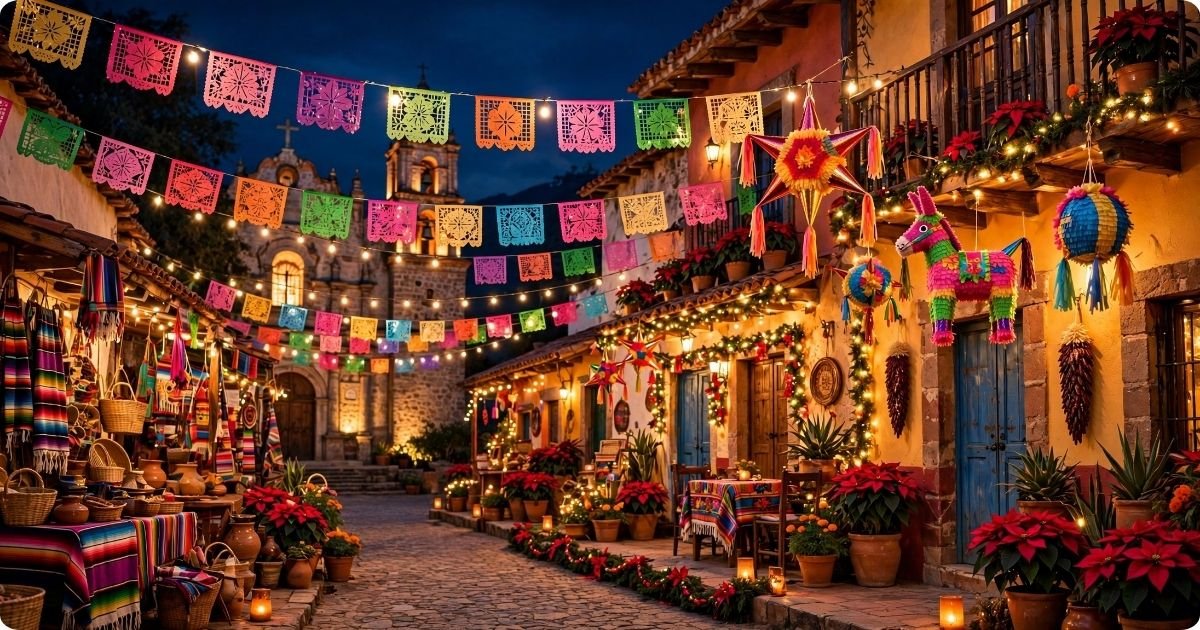
Did you know that Christmas in Mexico extends from December 12 all the way to January 6, with an extra festive note on February 2? This vibrant season, known as La Navidad, is infused with deep-rooted religious ceremonies and cultural traditions, thanks in part to the fact that around 80% of Mexicans identify as Catholic. In this article, we’ll explore the various ways these festivities unfold across the diverse landscapes of Mexico — from the bustling plazas of Oaxaca to the quaint villages of Baja.
The Christmas Schedule
In many cultures, the Christmas season is a tapestry woven with vibrant traditions and meaningful celebrations. December 12 marks the Day of the Virgin of Guadalupe, a cherished occasion that brings families together for prayer and vibrant festivities. This day is an important part of Christmas traditions in Mexico, setting a spiritual tone for the upcoming celebrations. As December rolls in, the atmosphere thickens with anticipation for Las Posadas, which unfolds from December 16 to 24. These Christmas in Mexico traditions help explain how does Mexico celebrate Christmas and when do Mexicans celebrate Christmas with family, faith, and festive gatherings.
Día de la Virgen de Guadalupe (Day of the Virgin of Guadalupe)
The celebrations for the Day of the Virgin of Guadalupe kick off on December 11 with vibrant singing and dancing, filling the air with a spirit of devotion and joy in honor of Mother Mary.
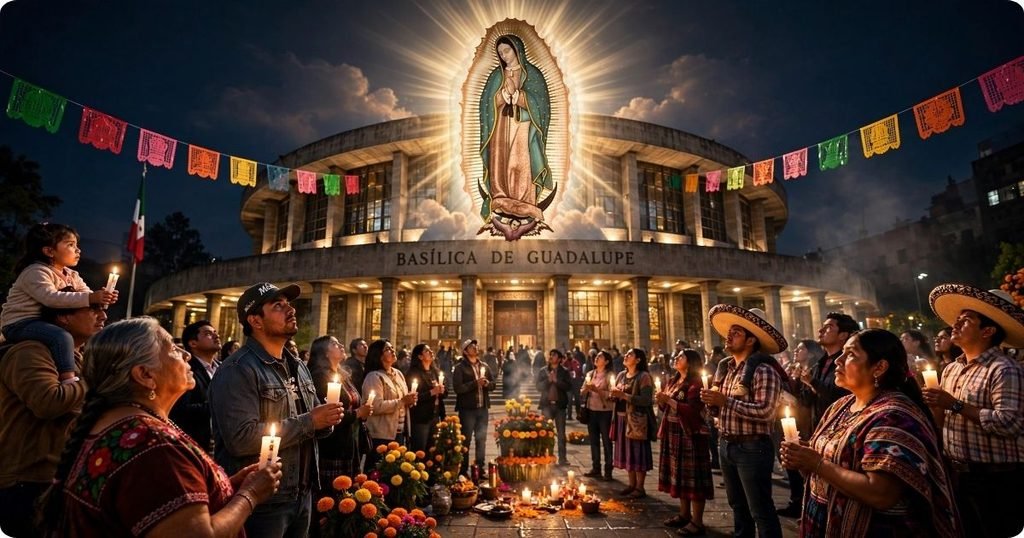
Communities come alive with festivities that blend traditional music and colorful costumes, creating a rich tapestry of culture and faith.
Las Posadas (The Processions)
Las Posadas is a vibrant nine-day celebration held from December 16 to 24, uniquely blending community spirit with centuries-old Mexican Christmas traditions. Each evening, participants embark on a journey, visiting selected homes, reenacting the poignant search of Mary and Joseph for lodging before the birth of Jesus. This heartfelt procession weaves together the threads of faith and familial bonds, as friends and neighbors play their roles donning costumes that bring to life this cherished biblical moment, making it an important part of Mexican Christmas and the wider Christmas traditions in Mexico. These celebrations also help explain when do Mexicans celebrate Christmas, as festivities begin well before December 25.
Read More: Best Tacos in Mexico City: 12 Taquerias you will love
16 Top Things to do in Taxco: Mexico’s Cutest Tow
Christmas in San Miguel de Allend (It’s Magical
13 Best Cities in Mexico for Digital Travelers (Pros + Cons)
Nochebuena (Christmas Eve)
As the sun sets on Christmas Eve, families prepare for one of the most cherished nights of the year, filled with laughter, love, and culinary delights. Many gather to attend the midnight church services known as Misa de Gallo, or Mass of the Rooster, a beautiful tradition that celebrates the birth of Jesus. This moment is a heartfelt reminder of faith and community, bridging generations as they come together to welcome Christmas Day in harmony and hope
La Navidad (Christmas Day)
Christmas Day commemorates the birth of Jesus, serving as a reminder of hope, love, and redemption. Beyond its religious significance, the day becomes a canvas for families to strengthen their bonds.

Gathering around festive meals, sharing stories, and laughing together creates a warmth that can be felt long after the last plate is cleared.
Día de los Santos Inocentes (Day of the Sainted Innocents)
Día de los Santos Inocentes, often likened to America’s April Fool’s Day, offers a unique blend of humor and somber reflection. On this day, revelers engage in playful mischief, telling outrageous lies and executing clever pranks, all while maintaining a spirit of lightheartedness. However, the roots of this celebration delve deep into a tragic biblical story: King Herod’s ruthless attempt to eliminate the newborn King of the Jews, leading to the massacre of countless innocent children.
Día de Reyes (Three Kings Day)
Día de Reyes, celebrated on January 6, is a vibrant tapestry of tradition, warmth, and connection. Families and friends come together for festive meals that beckon the flavors of community, laughter, and joy as they exchange gifts, marking the culmination of the holiday season. One of the highlights of this day is the delightful Rosca de Reyes, a beautifully decorated sweet bread shaped like a wreath and adorned with candied fruits. Each slice of this bread is not just a treat but a piece of shared culture, sparking stories and memories that bind generations.
Nestled within the rosca, a small figurine representing baby Jesus adds an element of surprise and excitement. Discovering the figurine is more than a game; it’s a moment that determines who will host the upcoming Día de la Candelaria celebration on February 2. This quirky tradition keeps the spirit of communal celebration alive and reinforces the idea that each person plays a role in nurturing cultural heritage. For many, finding the hidden baby symbolizes good fortune, encouraging a sense of togetherness as families plan their February festivities, weaving new memories into the fabric of their lives.
Día de la Candelaria (Feast of the Holy Encounter)
Día de la Candelaria marks the final celebration of the Mexican Christmas season, bringing a vibrant conclusion to weeks of festive cheer. On this day, families take the cherished figurines of baby Jesus from their homes to local churches for blessings, a symbolic gesture that reinforces their faith and community ties.
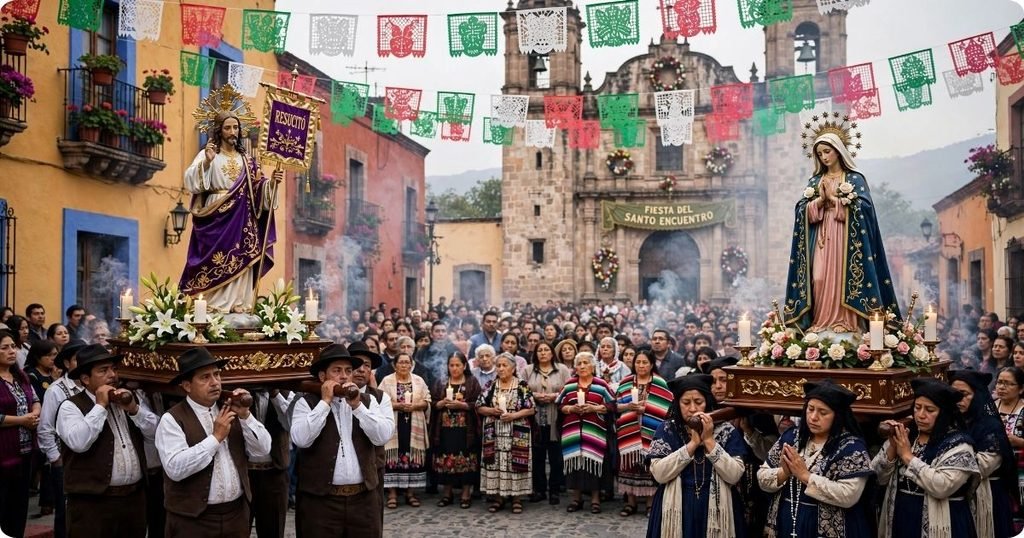
This ritual not only serves to enhance the spiritual significance of the day but also allows families to share their unique stories and traditions, weaving a rich tapestry of cultural heritage.
Christmas Decorations in Mexico
Throughout Mexico, Christmas decorations come alive with vibrant colors and rich traditions, making the holiday season truly unique. One of the most beloved symbols is the poinsettia, known locally as cuetlaxochitl. This brilliant red bloom, which the Aztecs revered for its beauty and symbolism, was popularized as a Christmas plant by Joel Roberts Poinsett, the first U.S. ambassador to Mexico in the 1820s. This connection brought awareness to a plant that beautifully encapsulates the spirit of the season.
Other Christmas Events
Pastorelas are more than just theatrical performances; they imbue the spirit of Christmas with tradition and cultural depth. These lively plays depict shepherds on their quest to witness the newborn Jesus, facing various comedic and serious obstacles along the way. Picture a stage filled with laughter and heartfelt moments, as the shepherds navigate mischief and divine intervention. Each performance not only entertains but also serves as a reminder of the virtues celebrated during the holiday season, making them a cherished activity for families and communities alike.
Christmas Foods
During the holiday season, Christmas foods evoke a sense of warmth and nostalgia, each dish telling a story of tradition and love. One standout dish is romeritos, a unique blend of seepweed, potatoes, shrimp, and rich mole sauce.
This vibrant dish showcases the ingenuity of Mexican cuisine, transforming humble ingredients into a feast that beckons memories of family gatherings.
Tamales also hold a special place in the hearts of many, enjoyed year-round but taking on a festive significance during Christmas. Each tamale is a labor of love, filled with various meats, cheeses, or sweets that cater to every palate.
Similarly, bacalao, or salted codfish, is a beloved Christmas Eve staple, often paired with pozole, a hearty soup made with pork or chicken, that brings warmth and comfort to chilly winter nights.
And let’s not forget the holiday sweets! Treats like buñuelos — crispy, sugary delights — take center stage, while ponche navideño, bursting with fruity flavors and spices, warms the soul.
To complete the festive indulgence, rompope serves as a traditional drink akin to eggnog, infusing gatherings with a joyful spirit through its rich and creamy texture. These culinary traditions are not just meals; they are a celebration of heritage and the cherished moments spent with loved ones.
Conclusion
In conclusion, Christmas in Mexico is a vibrant blend of rich traditions, family values, and joyous celebrations. From the colorful piñatas to the heartfelt posadas, each element reflects the country’s deep-rooted customs and love for community. Families come together to share delicious meals, sing festive songs, and create lasting memories that span generations. Whether through the warmth of candlelight during Las Posadas or the spirited gatherings on Nochebuena, the essence of Mexican Christmas is truly special.
FAQs
Is Christmas on the 24th in Mexico?
In Mexico, Christmas is celebrated on December 25th, just like many other countries. However, the festivities kick off on the evening of December 24th, known as “Nochebuena,” or Good Night. Families gather for a special dinner, often featuring traditional dishes like bacalao (salted cod) and tamales. It’s a time for togetherness, and many also attend a late-night Mass.
Is Mexico a good place to spend Christmas?
Absolutely, Mexico can be a magical place to spend Christmas! The vibrant culture and warm weather offer a refreshing twist on the holiday season. You can enjoy festive decorations in the streets, bustling markets filled with handmade crafts, and delicious seasonal treats like tamales and buñuelos